
Chapter 2
Overcoming the Sunk Cost Fallacy
A critical step in reclaiming your life is recognizing that you are never at fault for a partner's explosive or controlling reactions. Running background checks or discovering a partner's hidden history after the fact is not a sign of failure; it is a vital act of self-preservation that validates your intuition.
Key Takeaway: True safety requires accepting the reality of who a person is right now, rather than clinging to the idealized version of who they were as a friend. Cutting all contact and refusing to engage in hollow scare tactics is the fastest way to strip an abuser of their perceived power.
Practical Strategies for Navigating a High-Risk Departure
If you find yourself in an unsafe living situation and need to extricate yourself from a volatile partner, prioritizing your physical safety through structured, strategic planning is paramount.
1. Utilize a Civil Standby (Police Escort)
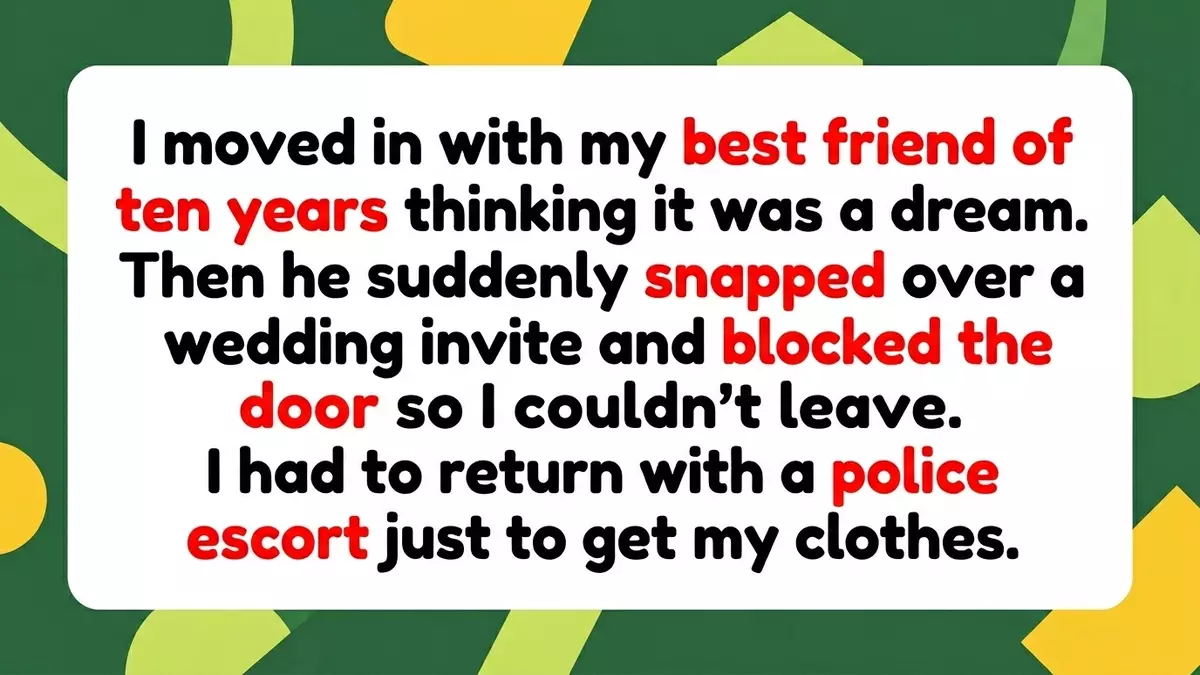
Never attempt to retrieve your belongings alone if a partner has displayed physical intimidation, blocked exits, or made erratic threats. Contact your local law enforcement non-emergency line and request a civil standby. A police officer will accompany you to the residence, providing a neutral, protective presence that ensures you can pack your essential items safely without confrontation.
2. Secure Your Digital and Financial Footprint
When planning an abrupt departure, ensure your partner cannot track your movements or leverage your resources.
-
Change Passwords: Immediately update passwords for your email, bank accounts, and social media profiles.
-
Location Tracking: Disable location-sharing applications on your phone and check your vehicle for any shared tracking devices.
-
Document Everything: Archive all threatening text messages, erratic emails, or baseless financial demands. This documentation is crucial if you need to secure a formal restraining order.
3. Implement an Absolute No-Contact Rule
Once you are physically clear of the residence, cut all direct lines of communication. Do not respond to frantic text messages, legal bluffs, or emotional pleas. If the individual continues to send harassing emails or showing up at your workplace, have your legal counsel or law enforcement deliver a formal warning. Engaging in any capacity only feeds the extinction burst.
Rebuilding Life After the Storm
Moving on from an emotionally abusive or volatile environment takes time, self-compassion, and a dedicated support network. Surrounding yourself with trusted friends, family, and professional guidance allows you to process the trauma without second-guessing your decisions.
By standing firm in your boundaries, utilizing community resources, and recognizing that your safety is non-negotiable, you reclaim your personal agency. You turn a terrifying relationship crossroads into a powerful declaration of independence, proving that your peace of mind is worth protecting at all costs.