
Chapter 11
Brenda, a waitress who had been refilling my coffee cup since I was in high school, appeared like an apparition and filled my mug without a word, sensing the heavy atmosphere. Harold waited until she retreated behind the pie display case.
“Your granddad,” Harold began, his voice dropping an octave, “did not sell that property because his bones were too weary to run the plow.”
I wrapped both frozen hands around the scorching ceramic mug, anchoring myself. “Then why?”
“You recall your father’s heavy equipment repair enterprise?”
I blinked, thrown by the sudden pivot. Dad had operated a moderately successful diesel mechanic and construction equipment repair shop during my pre-teen years. I possessed vivid, fragmented memories of a fading aluminum sign, the permanent, metallic stench of industrial motor oil clinging to his clothes, and a specific, terrifying Tuesday afternoon when he trudged through the front door clutching a cardboard banker’s box overflowing with manila folders. My mother had softly explained that the economy had taken a sudden downturn and the shop simply had to shutter its doors.
Harold didn’t wait for my confirmation. “Frank got greedy. He borrowed heavily against lines of credit he couldn’t service to expand the footprint of the shop. He purchased diagnostic machinery and heavy wreckers he had absolutely no business acquiring. The bank wanted collateral.”
Harold locked his weathered eyes onto mine. “Your grandfather, against my explicit, screaming advice, guaranteed a massive portion of that commercial loan. He leveraged the deed to the farm as the primary collateral.”
The diner around me seemed to tilt dangerously on its axis. “You’re saying…”
“I’m saying when Frank’s business inevitably imploded and the bankruptcy vultures circled, the bank came to collect their pound of flesh,” Harold stated with brutal precision. “Walter didn’t ‘retire.’ He liquidated his entire legacy in a panic sale to prevent the bank from seizing it in foreclosure and utterly destroying your father’s remaining life.”
I stared at him, the coffee turning to battery acid in my stomach. “Dad never spoke a single word of this to me.”
“I am well aware.”
My mind raced, connecting a decade of invisible dots. “Did Derek know?”
Harold slowly, methodically unfolded his newspaper, smoothing the crease. “Your brother was employed as the shop manager during the final eighteen months of the collapse. He was intimately aware of the ledgers. He knew everything.”
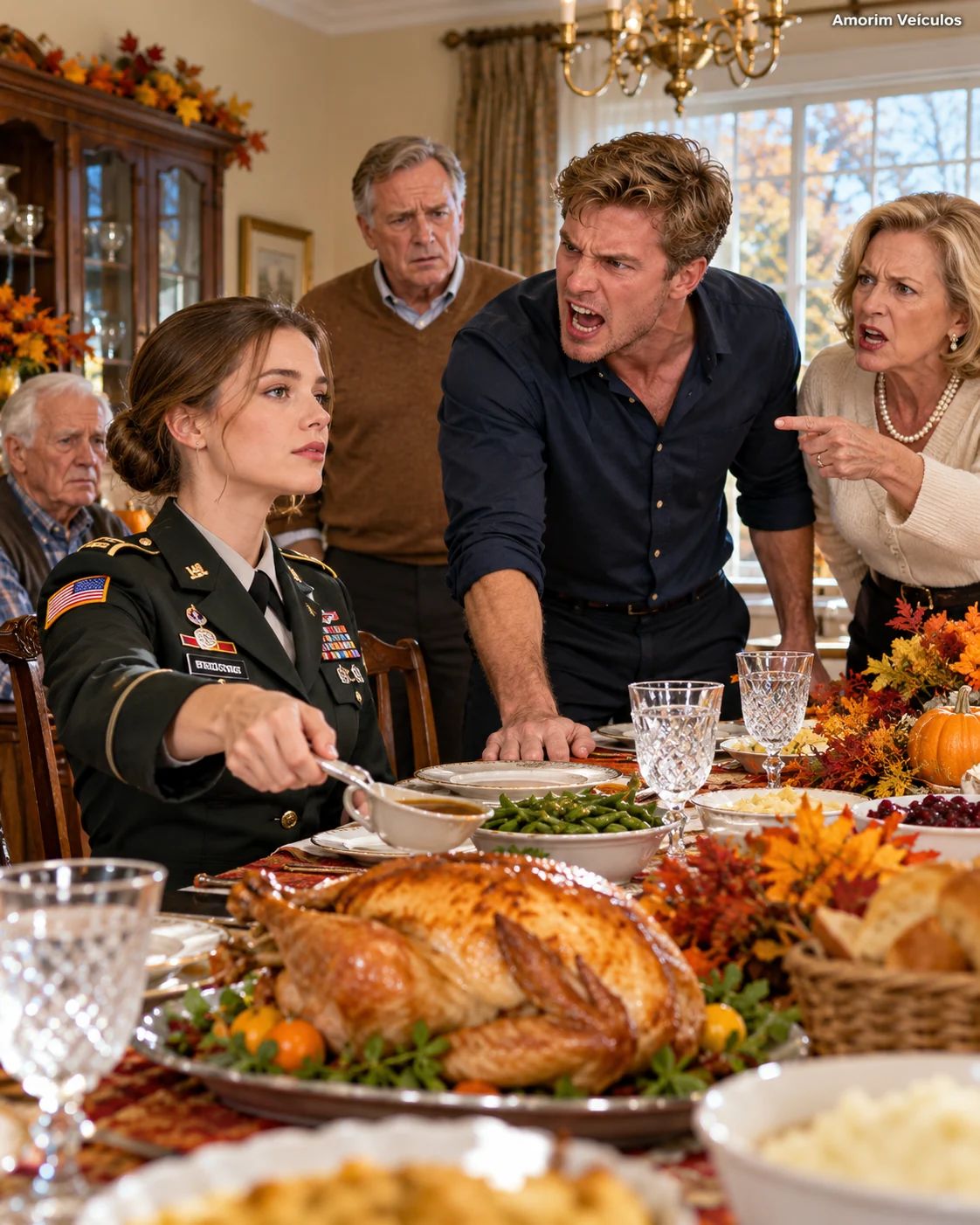
The revelation struck me with the force of a physical blow. I sat paralyzed, my mind replaying every excruciating Thanksgiving dinner, every tense Christmas morning where Derek passionately bemoaned the tragic loss of Grandpa’s farm, acting the part of the heartbroken, disinherited heir. He had weaponized that grief for years, demanding sympathy and financial reparations from our parents.