
Chapter 2
The Verdict: Empathy for Parents, Protection for Kids
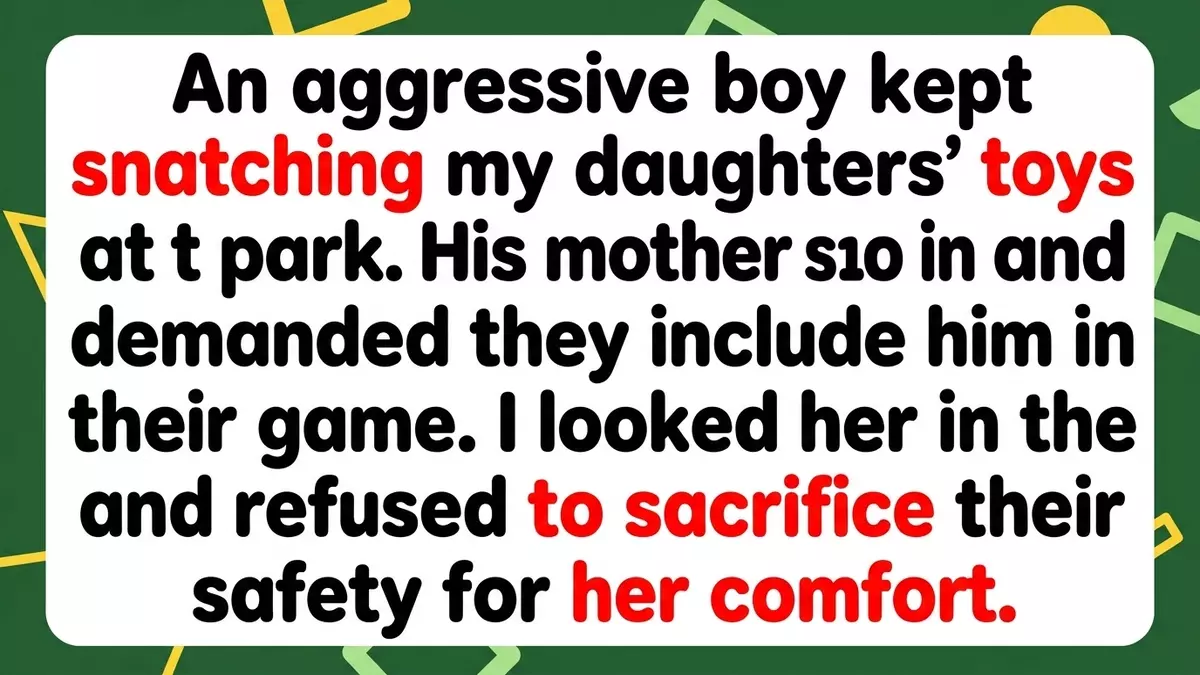
When this playground confrontation was shared online, the digital community voted overwhelmingly in favor of the protective mother, though the discussion remained nuanced and deeply empathetic to both sides of the struggle.
Validating the Mother's Boundaries
Commenters heavily supported the mother's right to prioritize her daughters' comfort, especially given the immense stress her family had just survived with their newborn in the NICU. Supporters noted that a public park is a shared space, and no parent is obligated to let their children become a teaching tool or a target for another child's unchecked aggression.
Recognizing the Reality of Caregiver Burnout
At the same time, many empathetic voices pointed out the tragic family dynamic on the other side of the playground. Commenters reminded the community of the absolute exhaustion, loneliness, and desperation that comes with raising multiple high-needs or neurodivergent children with minimal public grace. The other mother's aggressive demand for inclusion likely stemmed from a place of deep hurt and fatigue rather than malice.
| Parenting Approach | Core Philosophy | Long-Term Impact on Child |
| Enforced Inclusion | Expects peers to absorb rough behavior to prevent exclusion. | Can create resentment and fail to teach actual social boundaries. |
| Autonomous Play | Empowers children to choose playmates and say 'no' to discomfort. | Fosters strong emotional boundaries, self-advocacy, and safety. |
Conclusion: Balancing Empathy with Personal Safety
Balancing compassion for a struggling parent with the safety and autonomy of your own children is a delicate act. Raising a child who struggles to fit in is undeniably difficult, but children should never feel forced to endure rough behavior or have their personal space violated just to maintain social politeness.
Moving forward, parents can best support their children by teaching them how to say "no" politely but firmly, while encouraging them to immediately seek help from a trusted adult the moment their physical boundaries are crossed. Establishing healthy boundaries early on remains a vital pillar of child safety and emotional development.
Frequently Asked Questions
Is it wrong to tell my child they don't have to play with someone?
No. It is healthy to teach your child that they have control over their body and their social circles. While they should always be taught to be polite and avoid bullying, they are never obligated to play with a child who is acting aggressively, breaking boundaries, or making them feel unsafe.
How can I politely handle another parent demanding my child include theirs?
You can address the parent directly and calmly by saying something like: "My children are playing a specific game together right now, and they aren't looking to add more players today. We want to keep things calm right now." This keeps the focus on your family's choice rather than attacking their child's behavior.