
Chapter 22
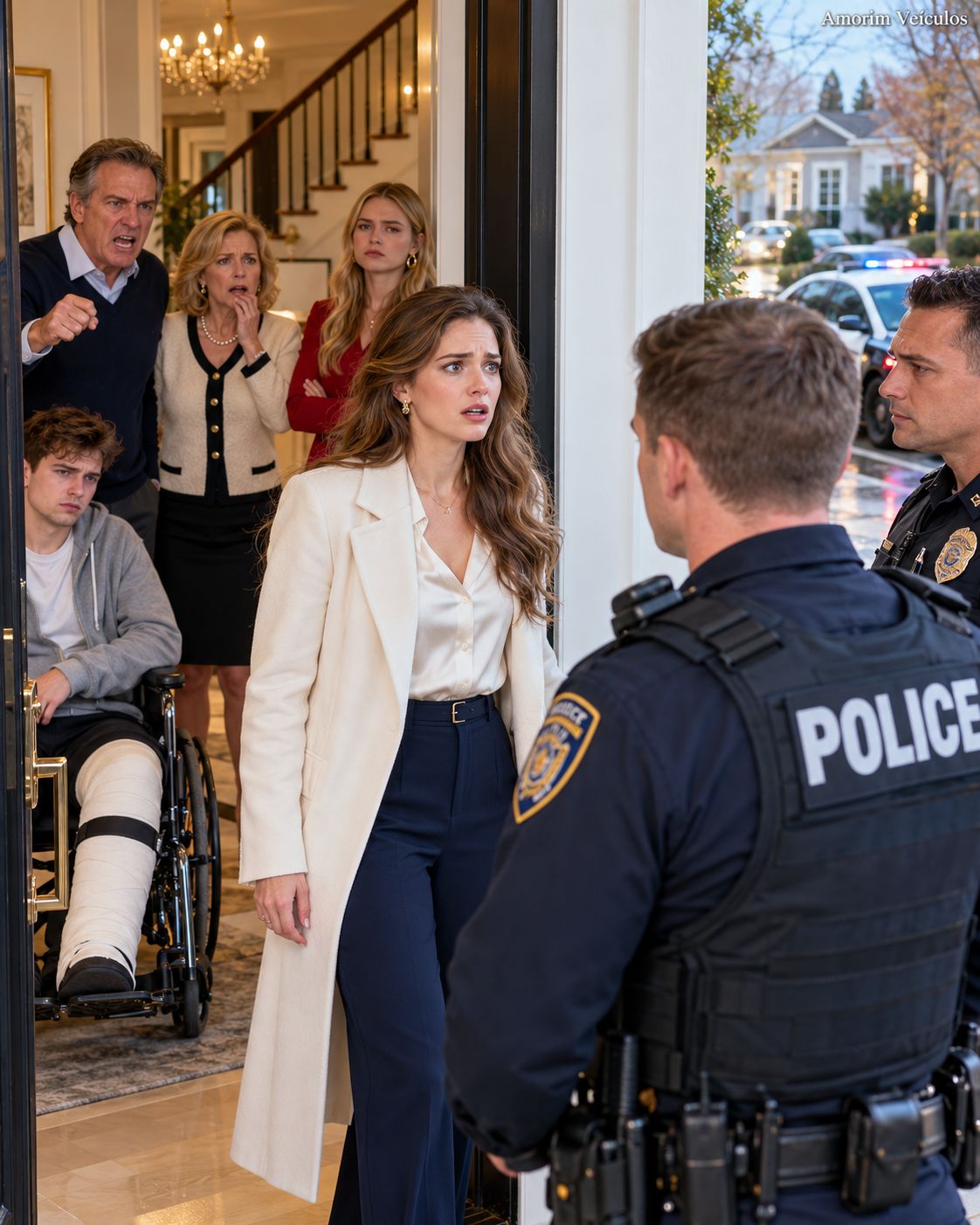
Faced with the imminent arrival of a court-ordered foreclosure auction, Arthur and Susan Vance were forced to execute the one maneuver my father had spent thirty years avoiding at all costs: they were forced to face the public MLS.
A lime-green FOR SALE – MOTIVATED SELLER sign was hammered into the manicured lawn of 742 Whispering Pines Drive by a discount real estate broker specializing in distressed suburban inventory.
The extended family grapevine, of course, detonated with predictable, radioactive intensity.
For three weeks, my phone was bombarded by distant relatives who had apparently spent the last decade residing under large, mossy boulders. Great-Aunt Clara sent a four-page handwritten letter via the postal service, questioning whether my “heart had been hardened by corporate greed.” Uncle Robert, who hadn’t spoken to my father since an ill-fated jet-ski investment in 2008, left a rambling, drunken voicemail informing me that “blood was thicker than water, and family didn’t let family get evicted by private equity firms.”
I responded to none of them.
Instead, I set up an automated rule in my email client: any message containing the words forgive, family, Arthur, Whispering Pines, or eviction was routed directly to a subfolder titled Tuition Records / Non-Actionable.
The house sold forty-five days later for four hundred and ten thousand dollars.
After paying off the primary mortgage, the defaulted second equity line, the hard-money penalties, the delinquent municipal property taxes, and the broker’s six-percent commission, Arthur and Susan Vance walked away from the closing table with approximately eighteen thousand four hundred dollars in liquid equity.
They did not end up on the street. They moved into a two-bedroom garden apartment in an unglamorous, brick-faced complex eighteen miles west of the city—a complex that featured communal laundry facilities, coin-operated dryers, and zero mahogany paneling. Arthur had to trade the Lincoln Town Car for a ten-year-old Honda Civic with mismatched hubcaps.
Susan stopped going to Sedona. She began learning the agonizing, earthbound mathematics of grocery store coupon circulars.
Ashley, to everyone’s profound astonishment, did not shrivel up and die without the family safety net.
When the Audi’s lease expired and no paternal co-signer appeared to renew it, the vehicle was reclaimed by the dealership. Stripped of her decorative lifestyle subsidization, Ashley was forced to look directly into the yawning abyss of adulthood. She took a thirty-two-hour-a-week position as an intake coordinator at a dental practice.
Three months into her new reality, she texted me a picture of her first bi-weekly paycheck, accompanied by a single line of text: Taxes are completely insane. Why did nobody warn me about FICA?