
Chapter 3
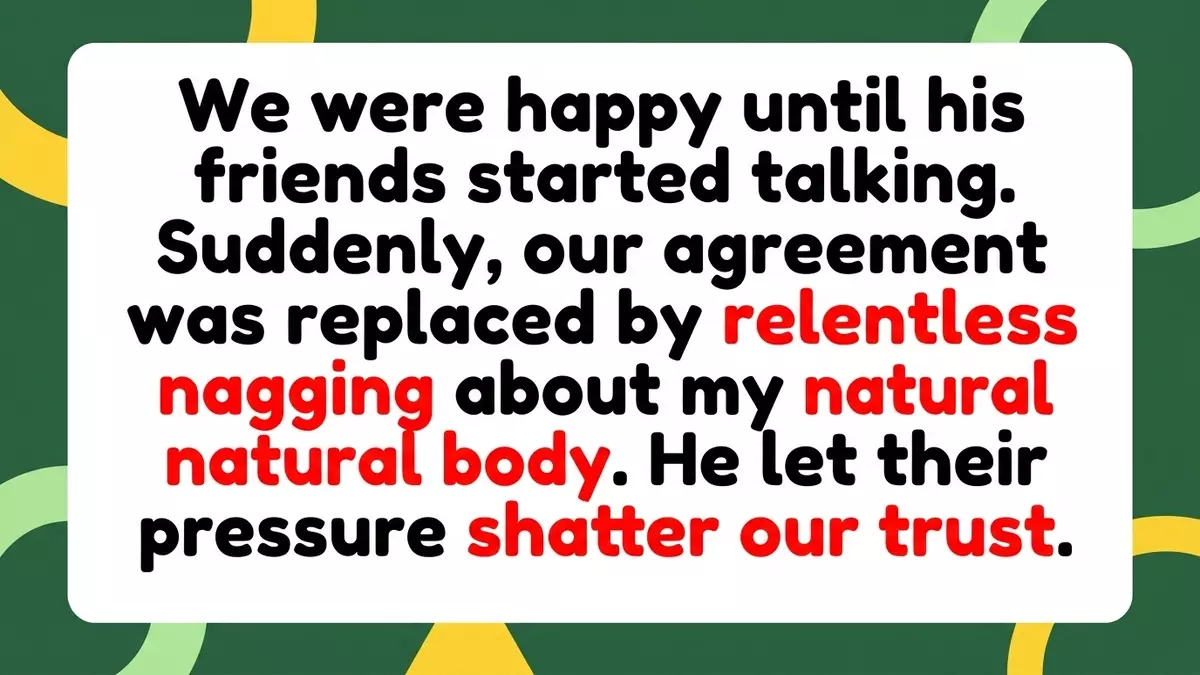
Reinforce the Original Line: Remind them that the boundary was established on day one as a condition of physical intimacy. Make it clear that the topic is completely closed for discussion or compromise.
Evaluate for Broader Weaknesses: Take a step back and look at how they handle external influences in other areas of life. If they constantly change their values to appease parents, coworkers, or friends, it may indicate a fundamental lack of personal identity.
Ultimately, drawing a firm line often reveals the true strength—or fragility—of a relationship’s foundation. A wedding, a mortgage, or a family cannot survive if a partner allows external peer pressure to continuously run a bulldozer through the private promises made to the person they claim to love.
Frequently Asked Questions
Is it shallow to break up with someone over a disagreement about body hair?
No. The breakup isn't actually about the body hair; it is about the complete breakdown of respect, autonomy, and trust. If a partner repeatedly nags you to do something that causes you actual physical pain simply to appease his friends, he is demonstrating a profound lack of empathy and maturity.
Why do some men let peer pressure dictate their romantic preferences?
Many individuals suffer from a fragile sense of social status and rely heavily on group validation to feel secure. If a man's peer group heavily enforces a specific aesthetic standard, he may begin to view his partner's natural choices as a reflection on his own social standing, causing him to project his insecurities onto her.
What should you do if a partner tries to renegotiate an established boundary?
You must stand firm and refuse to engage in the negotiation. Remind your partner that the boundary was clearly communicated and accepted at the beginning of the relationship. If they continue to push, push back by making it clear that their persistent nagging is actively damaging your desire to stay in the relationship.
How does boundary erosion impact a person's mental health?
Boundary erosion acts like a slow drip of emotional exhaustion. When a partner constantly questions, nags, or tests your limits, it forces you into a perpetual state of defensiveness. Over time, this erodes your self-esteem, makes you doubt your own reality, and replaces emotional safety with constant anxiety.
What is the best way to handle a partner who values outside approval?
A partner who prioritizes the opinions of friends or family over the well-being of their relationship requires a serious wake-up call. You should schedule a dedicated, non-confrontational conversation to address the root cause. If they refuse to acknowledge the pattern or continue to make comparisons, it is a clear sign that they are not emotionally mature enough for a committed partnership.