
Chapter 6
“I did it for eleven years, in front of your parents and my kids.”
“I told my son you were a lesson about checklists.”
“I do not have a reason that makes it better.”
“I just wanted you to hear me say it.”
“I know.”
“And I am not asking you to forgive me.”
“Good.”
“Because I am not going to.”
“Not tonight.”
He nodded slowly, like that was fair, which it was. I let him in, made coffee, and told him what I needed. It was not the apology. I already had the apology, and it was worth something, but it was not the thing.
I told him to fix it with his son, and with his daughter when she was old enough. He had told them a story about me. Now he would tell them the true one, in his own words, and never tell my story again without me in the room.
“That is it?”
“That is everything.”
“And it is the hardest thing I could ask you for.”
He was quiet a long time.
“Okay.”
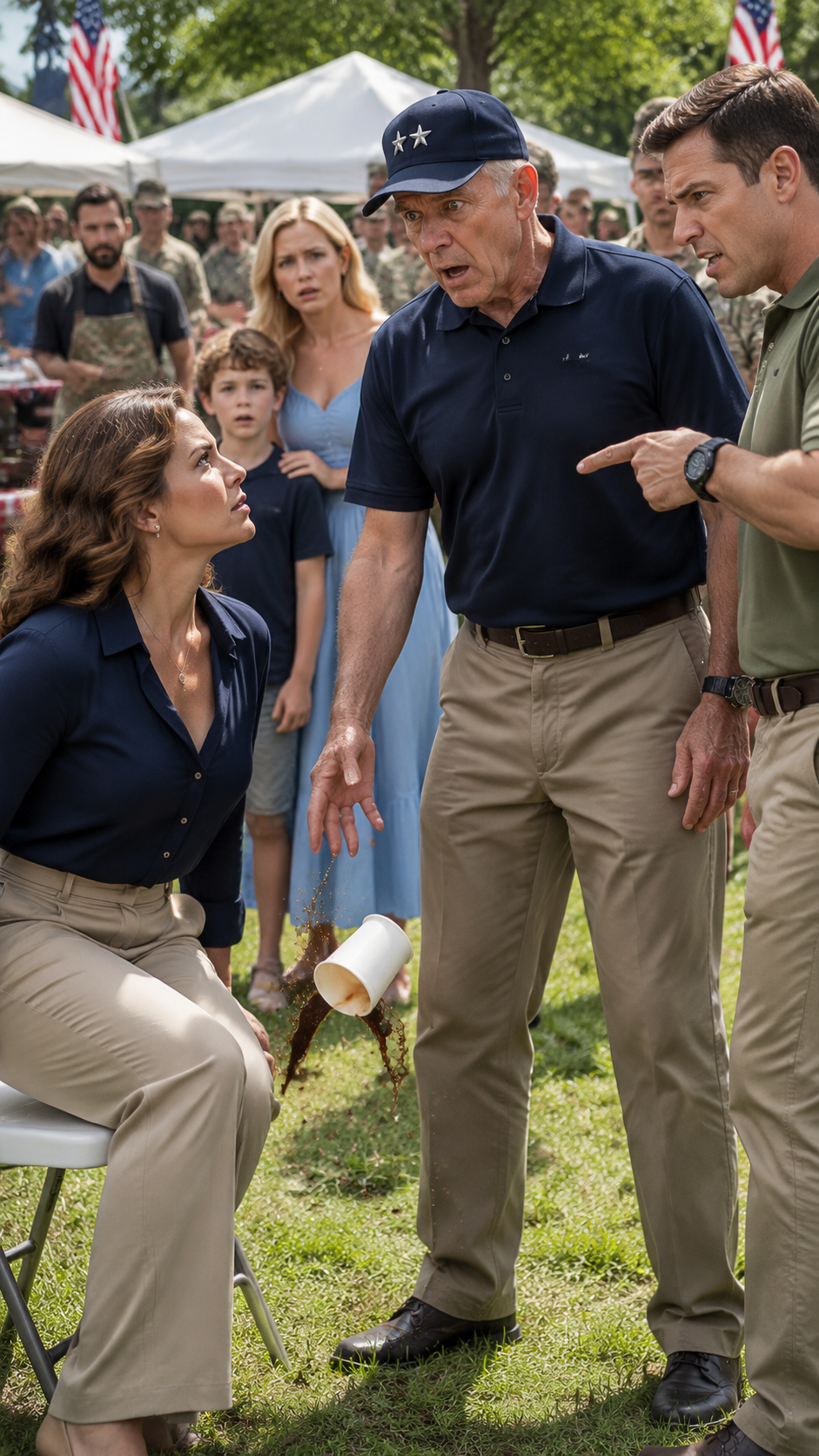
A week later Annette called, whispering. He had told the children, at their kitchen table. The outpost. The radio. The general. The coffee cup. He had told them he was sorry, and that their aunt was the bravest person he had ever met. Then he cried, and his son hugged him.
The letter came in April, handwritten, from division headquarters. The men of that outpost would gather in May at Fort Knox. Eleven of them. For the first time in fourteen years, they would not read Merlin 2-4 among the dead.
At the bottom, under his signature, the general had added one smaller line.
“The voice on the radio was mine.”
“The hands on the controls were yours.”
Two nights later, Randall called. A trainer Black Hawk would be on the line, dual controls, and the left seat was mine if I wanted it.
“My back says no, Randall.”
“Your back has been saying no for fourteen years.”
“Ask the rest of you.”
That night I took down the shoebox. Inside were the three medal boxes, and beneath them a card from the morning I shipped out, where my sister had written three words about coming home the same.
I had not come home the same. Nobody does.
In May, I walked into a hangar at the Fort Knox airfield in a navy dress Annette had helped me choose, the Silver Star pinned above my heart.