
Chapter 15
My fingers trembled slightly as I untied the green ribbon.
Inside the box lay Julian’s personal journal—a worn, leather-bound notebook filled with his brilliant architectural sketches, complex cryptographic algorithms, and his private thoughts.
I opened the book to the final marked page, dated just forty-eight hours before his headlights vanished into the rainy Westchester night.
Chapter 7: The Unbroken Thread
One year later. Christmas Eve in Newport, Rhode Island.
The massive expanse of the Atlantic Ocean was a vast, turbulent sheet of hammered indigo under a low, heavy winter sky. A soft, powdery snow was falling steadily, dusting the jagged black rocks of the coastal cliffs with thick layers of pristine white sugar.
Through the floor-to-ceiling, storm-proof glass of our new home—a low-slung, beautifully modernized mid-century architectural marvel built seamlessly into the cliffside—the world felt infinitely peaceful.
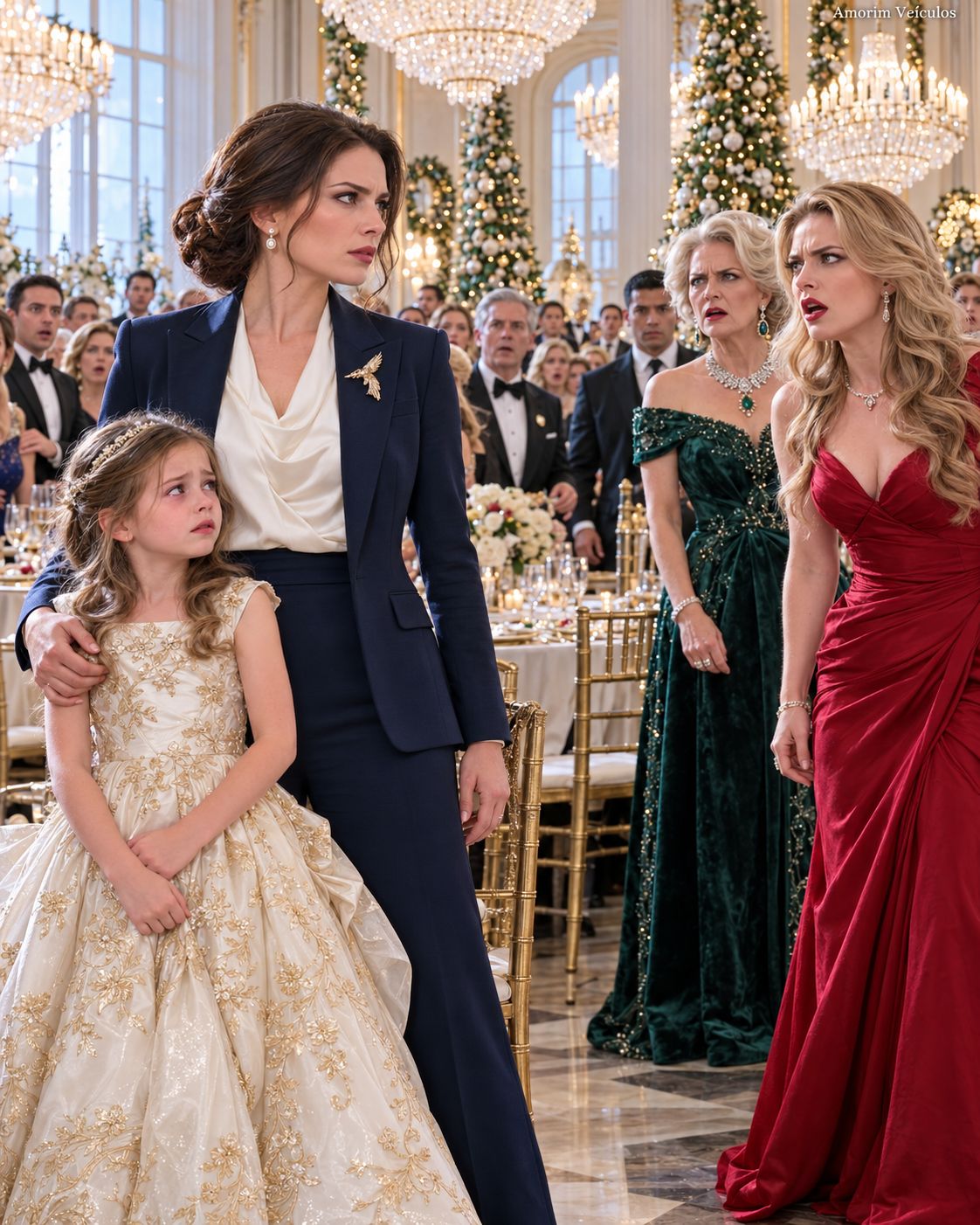
There were no glaring crystal chandeliers here. There were no five-hundred-guest galas filled with vipers, no corrupt politicians trading dark favors over roasted squab, no suffocating perfumes masking the scent of betrayal.
There was only the rich scent of fresh pine needles from the towering evergreen standing in the center of the hall, the comforting crackle of dry cherry logs burning in the open stone fireplace, and the beautiful sound of my daughter’s laughter drifting freely from the kitchen.
Lily was eight years old now.
She stood confidently by the massive marble island, her nose dusted playfully with white flour, carefully pressing star-shaped metal cookie cutters into thick gingerbread dough. She wore an oversized, chunky woolen sweater with the sleeves rolled up, her cheeks flushed with the fierce, vibrant health of a child who finally knew absolute safety.
Through our heavily endowed foundation, Lily had officially launched her own charitable project six months ago: The Angel’s Thread.
The program was deceptively simple, yet radically transformative. It provided bespoke, beautifully tailored, high-quality clothing for children entering the foster care system—children who often arrived with nothing but their trauma in garbage bags.
“Every child deserves to feel like an angel on Christmas, just like Daddy made me feel,” Lily had bravely told the board of directors during her very first presentation. The hardened, veteran corporate trustees had wept openly before unanimously approving a twenty-million-dollar initial grant to scale her vision nationally.
I stood by the grand piano in the living room, holding a mug of dark coffee, looking down at the open page of Julian’s Zurich journal resting upon the wooden music stand.