
Chapter 2
Managing Medical Stress and Chronic Health rifts
The emotional stakes of family arguments are amplified exponentially when a young person is simultaneously managing a chronic illness or a sudden medical crisis.
The Burden of Alpha-gal Syndrome
Living with a newly diagnosed, severe condition like Alpha-gal syndrome—a tick-borne meat allergy that causes severe, life-threatening allergic reactions to mammalian meat and its byproducts (like beef stock, gelatin, or dairy)—is incredibly stressful. For an 18-year-old, a medical mistake that results in a severe physical reaction doesn't just threaten their health; it robs them of highly anticipated milestone events, creating a volatile mix of fear, disappointment, and physical exhaustion.
The Breakdown of De-escalation
When a medical oversight occurs within a family, emotions naturally run high. Teenagers, driven by a mix of hormonal development and acute stress, may default to explosive or hurtful language.
However, family dynamics suffer a catastrophic failure when the adult in the situation matches or exceeds that volatile energy. A parent's role is to act as the emotional anchor. When an adult fails to de-escalate a situation and instead reacts with exile, they permanently alter the relational bond.
Practical Strategies for Navigating Toxic Family Dynamics
If you are an emerging adult facing a severe breakdown in parental support, or if you are trying to establish healthy boundaries during a milestone season, prioritizing your stability is key.
1. Separate Milestone Events from Family Guilt
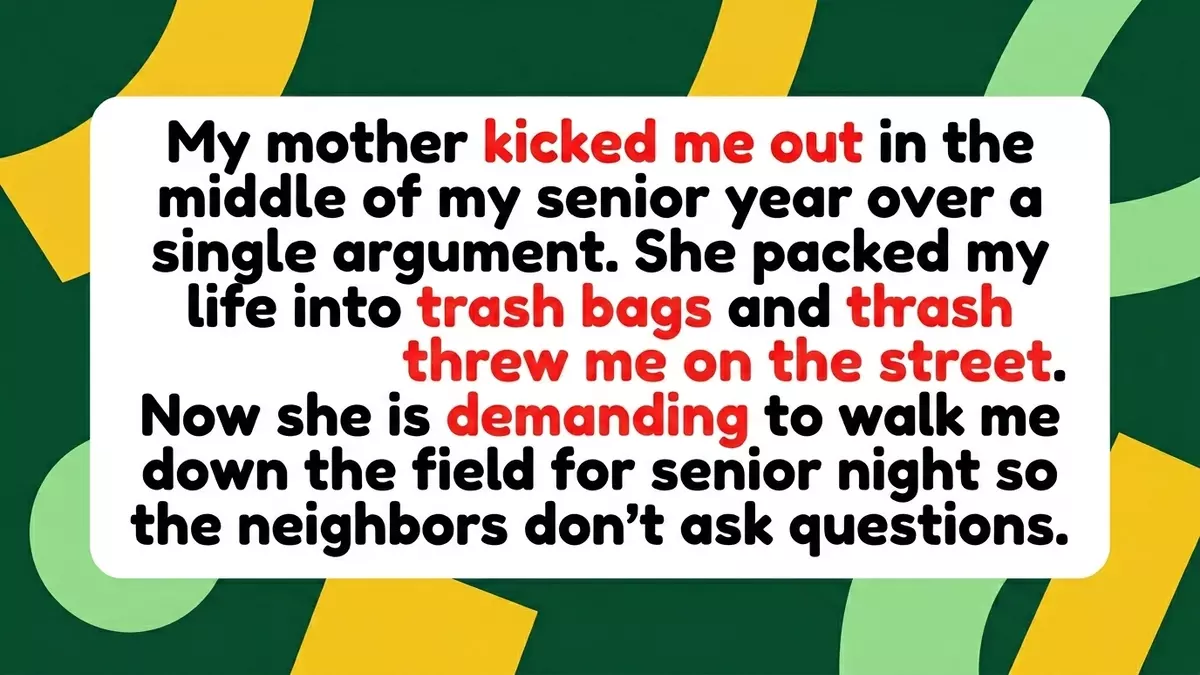
Milestone events like graduation, senior nights, or award ceremonies belong to the student who earned them. You are under no obligation to share a public celebration with someone who has actively compromised your physical or emotional well-being behind closed doors. If a parent's presence will cause you acute anxiety or distress, it is entirely reasonable to alter tradition:
-
Walk down the field solo with your head held high.
-
Ask a trusted mentor, coach, extended family member, or friend's parent to stand by your side.
2. Secure Independent Structural Stability
When housing or financial support is weaponized against you, your immediate priority must shift to finding a safe harbor.
-
Reach out to guidance counselors, school social workers, or local youth advocacy programs to understand your rights and available resources.
-
Lean on trusted support networks, such as extended family or close friends, to establish a stable living arrangement where your safety is not used as a bargaining chip.
3. Communicate Boundaries with Controlled Clarity
As you step into adulthood, practicing emotional regulation during high-conflict conversations becomes your greatest asset. When dealing with a volatile or transactional parent, avoid explosive shouting matches that can be used to justify their harsh penalties. Instead, deliver your boundaries clearly, calmly, and in writing if necessary.