
Chapter 20
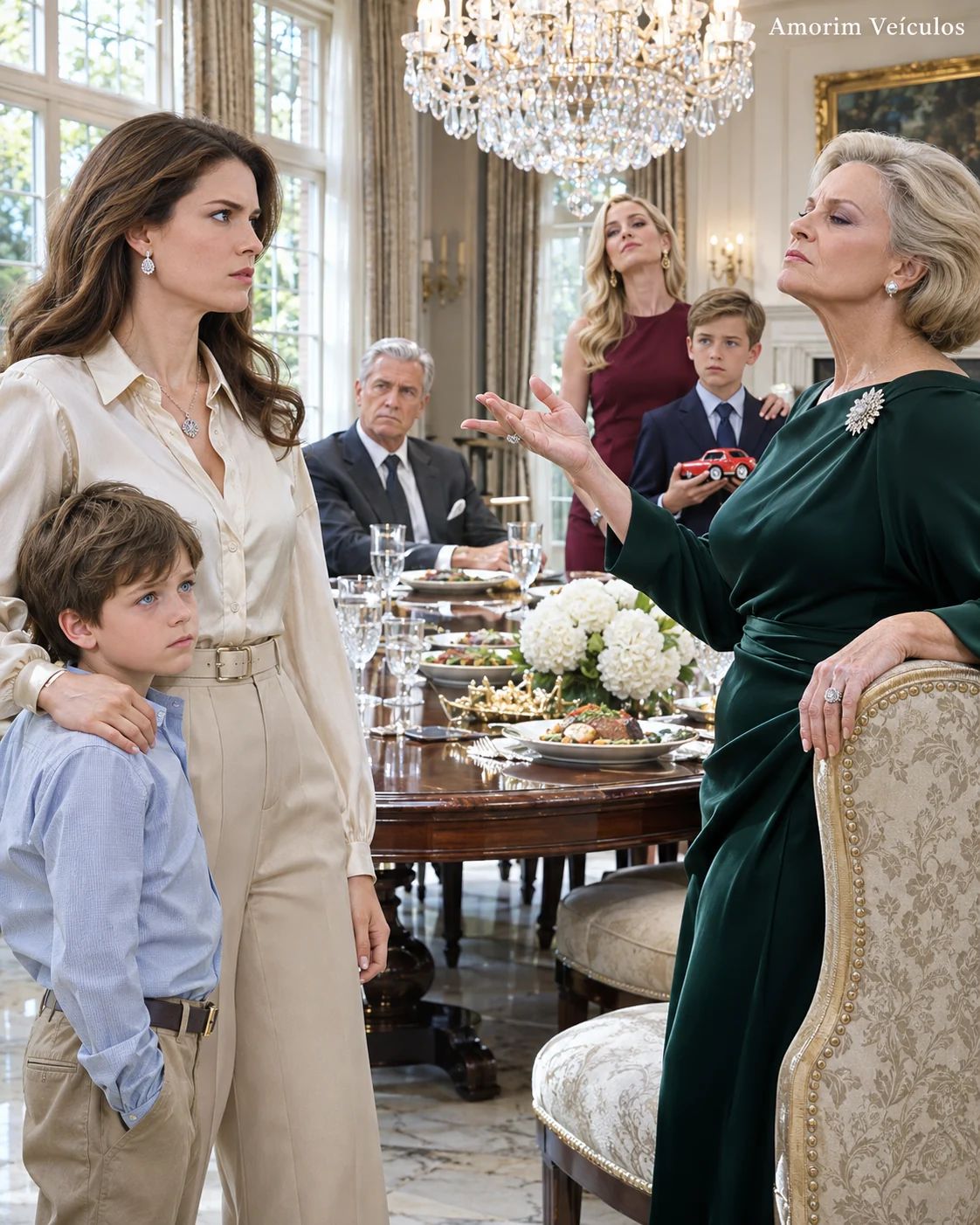
My family could no longer hide behind their delusions of my poverty.
Suddenly, my inbox was flooded. Cousins who hadn’t spoken to me in a decade sent effusive congratulations. An estranged uncle left a voicemail reminiscing about how “close” we used to be when I was a child.
I deleted them all.
The money hadn’t miraculously made me a valuable human being. It had merely exposed the fact that they measured human value in commas and zeros.
Chapter 6: The Architect of Freedom
Six months to the day after the dinner that shattered our world, a letter arrived in my private PO Box.
The handwriting was shaky, but familiar. It was from my father.
Clara,
I have spent the last half-year lying to myself. I told myself that because I never raised my hand to strike Matthew, I was innocent.
I was wrong. Silence is its own kind of violence.
I sat at that table and watched things I should have stopped. I heard comments I should have challenged. I allowed my grandson to be diminished because standing up to your mother was exhausting, and I chose my own comfort over his safety.
I do not expect you to forgive me. I do not expect to see him again. I write this only because I want you to know that the illusion is gone. I finally understand exactly why you had to walk away.
I read the letter twice, sitting at my kitchen island.
Then, I carefully folded it, walked to my office, and locked it inside a heavy mahogany drawer.
I did not call him. I did not send a text. Perhaps, in a decade, when the anger had fully calcified into apathy, there might be a conversation. But forgiveness and access are two vastly different concepts. You can forgive someone from a distance and still refuse to let them cross the moat.
My mother never experienced such an epiphany. According to the few updates Daniel Mercer monitored, she remained entrenched in her victimhood. She blamed the police, the “woke” justice system, my therapists, and me.
She even blamed Julian. According to a mutual acquaintance, my mother had tearfully told her country club friends, “If Julian hadn’t died, Clara wouldn’t have become such a bitter, difficult woman.”
When I heard that, I poured a glass of scotch and laughed until my ribs ached.
Because she was absolutely right. If Julian had lived, my life would have been vastly different. I wouldn’t have been forced into the crucible.