
Chapter 3
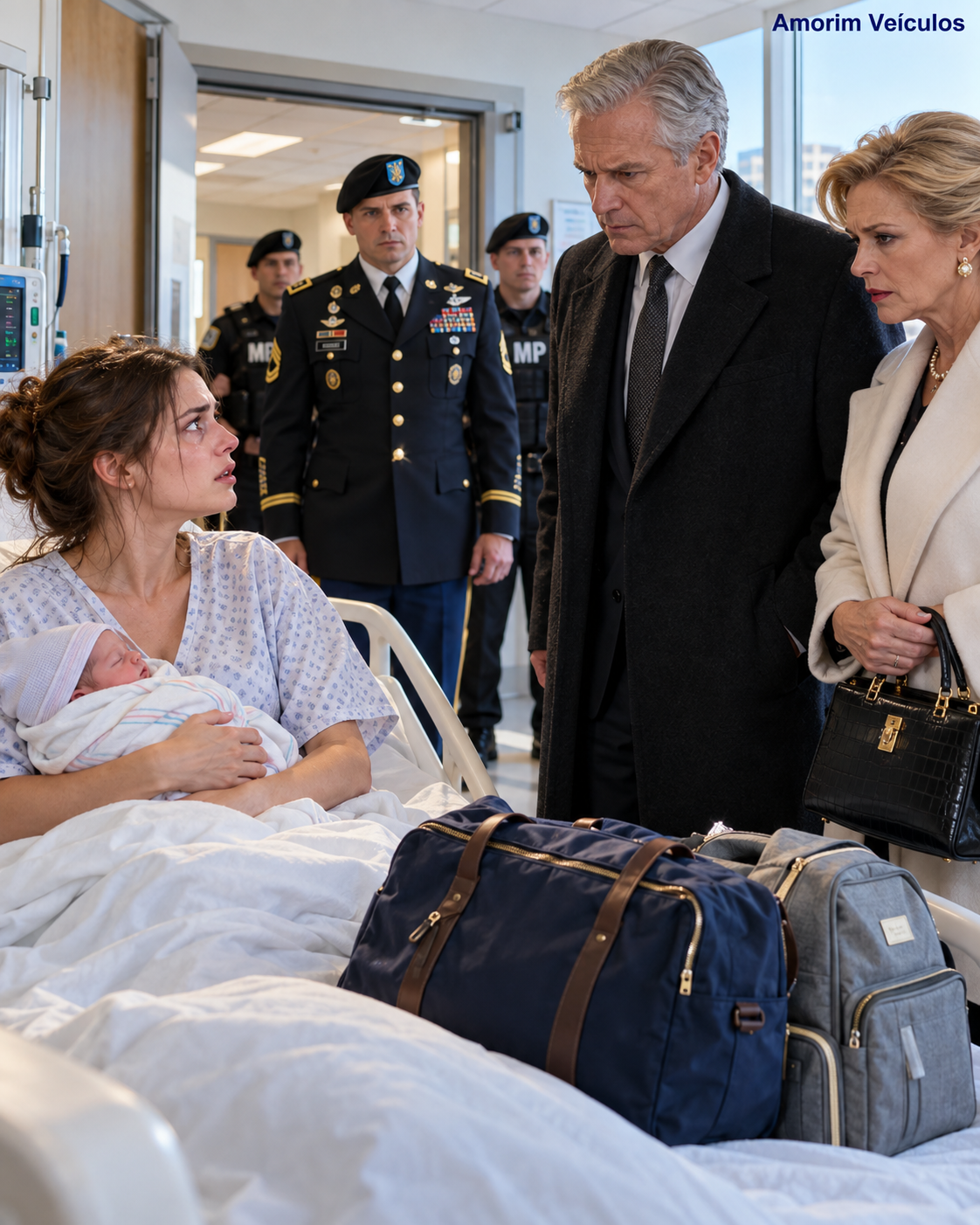
“Take the baby and go,” he said, his voice completely devoid of inflection. “You’re not coming home.”
Chapter 2: The Cold Eviction
I remember the physical sensation of those words hitting me far more vividly than I remember actually processing their meaning. It felt like a heavy oak door slamming shut at the very end of a long, dark corridor. It was a blunt, reverberating shock—the kind of trauma your brain registers a full three seconds before your nervous system catches up.
“What?” I whispered. “What are you talking about?”
My voice betrayed me. It came out tiny, frail, and pathetic.
My mother finally stepped out from behind his shadow. For one absurd, desperate second, my grief-addled brain actually believed she was going to intervene. I thought she was going to put a hand on his arm and say, Walter, stop it. She’s our daughter. She just buried her husband. Look at the baby.
Instead, Diane methodically smoothed the front lapels of her wool coat. She looked at me with the exact same flat, meticulously reasonable expression she utilized when disputing a charge on her Macy’s credit card.
“A widow and an infant are not our responsibility, Karen,” she stated, the syllables clipping off her tongue like ice cubes hitting glass. “You made your bed. You made your choices when you married that enlisted man against our explicit advice. We told you this military nonsense was a mistake. We are not going to drain our retirement funds and our golden years raising your family for you.”
I looked down. Ren was asleep, her cheek pressed against the thin hospital gown covering my chest. Her tiny, translucent fist was curled tight beneath her chin.
Something deep inside my ribcage went terrifyingly quiet.
It wasn’t a peaceful calm. It was the violent, pressurized silence of a breath held tight in your lungs right before you dive into freezing water. I didn’t argue. I didn’t scream. I didn’t shed a single tear. To cry in front of them would require a vulnerability I absolutely refused to surrender. To argue would require energy I needed to keep my daughter alive.
I said nothing.
I slowly shifted my weight, fighting the searing pain in my pelvis, and reached for my cell phone resting on the plastic bedside tray. I unlocked the screen and scrolled past the barrage of unread condolence texts until I found a specific contact number. It was a number Bennett had programmed into my phone eleven months ago, right before a field rotation. Just in case the sky falls, Kar, he had joked.