
Chapter 1
Chapter 1: The Triangle Fold
My name is Karen Nelson, and I am twenty-eight years old.
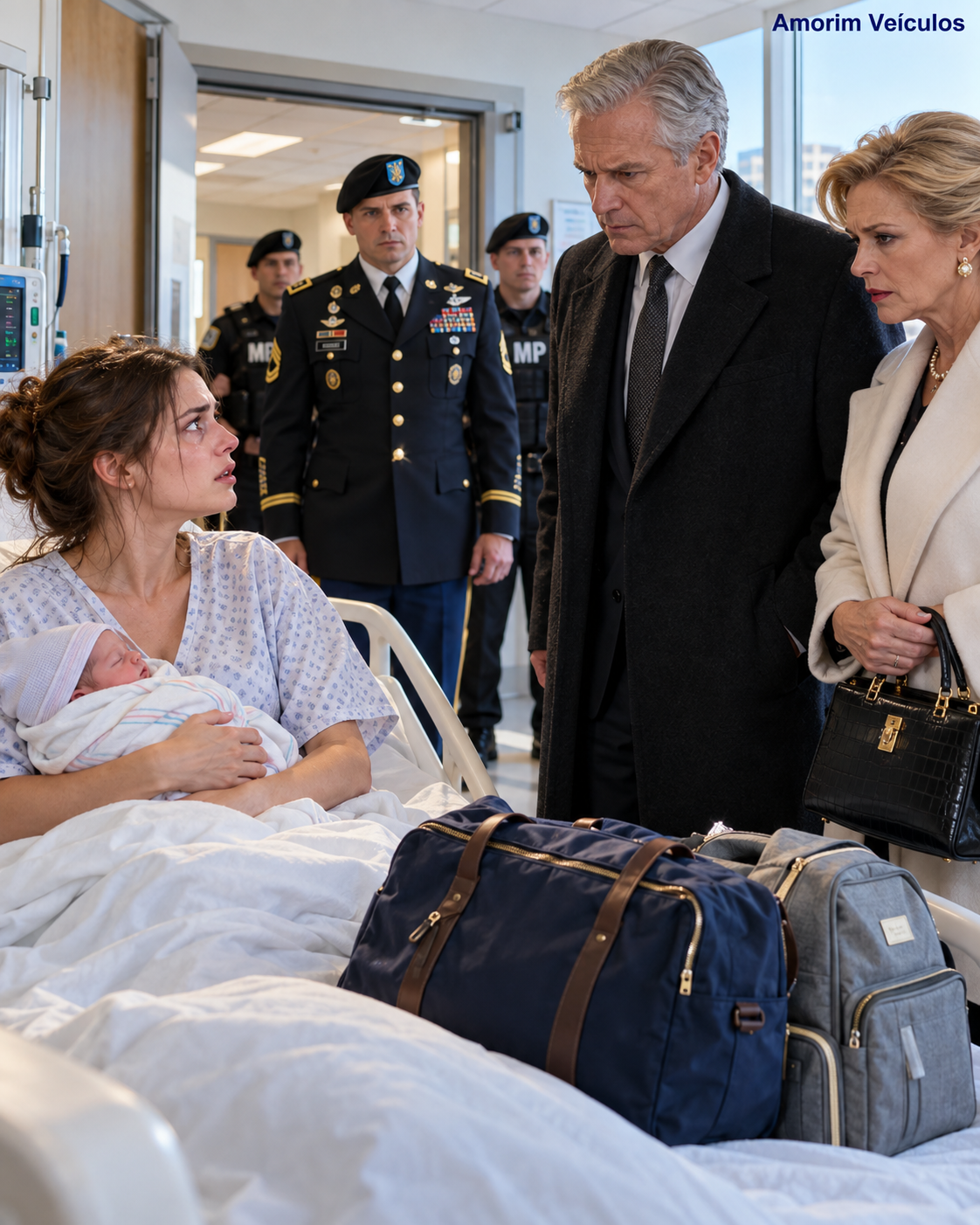
The hospital room smelled like a bleak cocktail of industrial antiseptic, sour bleach, and the metallic tang of day-old coffee. Above my bed, a single fluorescent tube flickered behind a plastic grate, emitting a low, electric hum. It was the kind of noise you only really notice when the world has been stripped of every other sound. I had nothing else to listen to. I was utterly, profoundly alone.
My husband, Bennett, had been lowered into the freezing Carolina earth exactly seventy-two hours earlier.
I had spent those three days suspended in a surreal, agonizing purgatory, forced into doing the one thing no human being is ever trained to endure: grieving a catastrophic loss while simultaneously laboring to bring new life into the world. My traitorous body was violently pushing forward, expanding, contracting, fighting to deliver our child, while my mind and my heart remained stubbornly folded around a closed mahogany casket.
Bennett was an Army Staff Sergeant. He didn’t die on a battlefield halfway across the globe. He died in a routine training exercise, crushed in a vehicular rollover on a muddy proving ground a mere four hundred miles from where I now lay sweating into thin, starchy sheets.
The heavy, woolen American flag they had pressed into my hands at the cemetery was currently sitting untouched, still locked in its crisp triangle fold, on the passenger seat of my beat-up Honda Civic in the parking garage five floors below. I hadn’t been able to look at it, let alone touch it, since the honor guard solemnly passed it to me. I kept telling myself I would deal with it later. But later was a horizon that kept receding.
I went into active labor the night after the funeral. I had no one to drive me. I called a cab, leaning heavily against the damp brick of my apartment building at two in the morning, because my own mother and father hadn’t bothered to stay after the service. Bennett’s family, who lived two states over, had made it abundantly clear during the solemn reception that they viewed my entire marriage, and my subsequent pregnancy, as a tragic lapse in their son’s judgment. They viewed me as an unfortunate administrative error.
I labored for eleven agonizing hours. The pain was blinding, a physical tearing that matched the emotional rupture in my chest. A night-shift nurse named Dolores, a woman with tired eyes and remarkably soft hands, stood by the rail and held my fingers. I had practically begged her to stay. I simply could not stomach the idea of screaming into the sterile void without a single human anchor.