
Chapter 2
I understood structural rot when I saw it. And I knew that when a building is deliberately brought down by controlled demolition, the only sane response is to clear the perimeter before the debris falls.
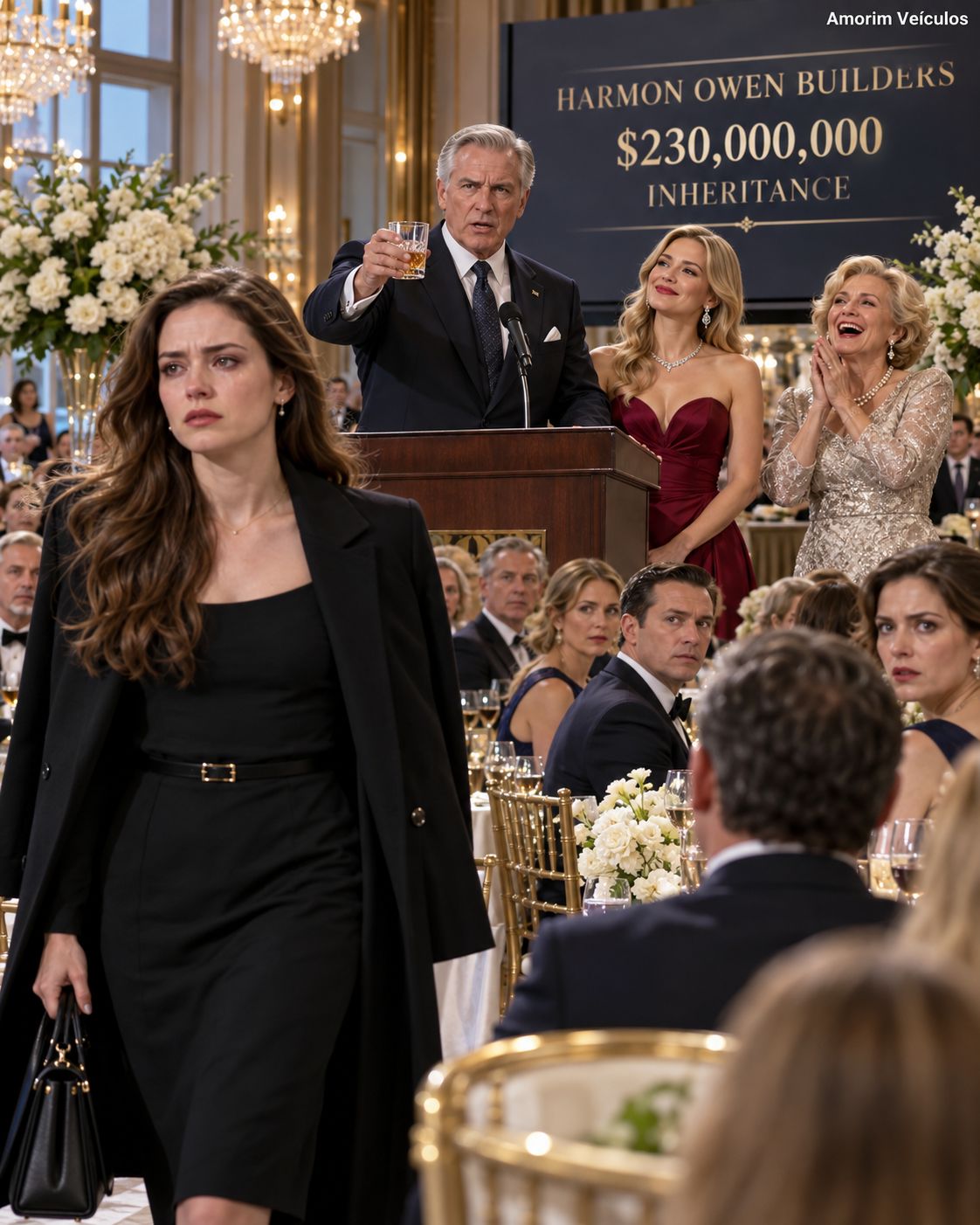
I placed my linen napkin beside my untouched plate of prime rib. I retrieved my woolen coat from the cloakroom attendant, who surrendered it without even asking for my brass check ticket after catching a single glimpse of my eyes. Outside, the Ohio March air bit into my throat like ground glass. The twenty-year-old valet brought my sedan around, his eyes dropping to the asphalt.
“Everything alright inside, ma’am?” he asked softly, handing me the keys.
“Just an old foundation settling,” I told him, slipping a twenty-dollar bill into his palm. “Drive safe tonight.”
I drove through the dark grid of Columbus, my pulse beating like a muffled drum against my ribs while my hands remained mechanically steady on the leather steering wheel. When I reached my condominium, I sat on the edge of the mattress with my overcoat still buttoned to my collar, mentally cataloging the evening. I itemized the event precisely as I would document an arson loss: time of origin, primary accelerants, witnesses present, structural damage incurred.
At 11:40 p.m., my phone vibrated against the bedside nightstand.
A local number I did not recognize. It rang once—a fractured, half-second chime that severed the silence and then vanished into the ether. No voicemail followed. No incoming message lit up the glass. I stared at the dark display, convincing myself it was merely an errant thumb, a late-night misdial from someone who did not know me.
I was an evidence specialist comforting herself with a fairy tale. And like every fairy tale manufactured in the Owen family, it would not survive the dawn.
Chapter Two: The-Colored Artifact
The knock came precisely at nine o’clock on Sunday morning.
Two distinct raps. Measured, unhurried, perfectly spaced—the knock of an attorney who bills his daylight hours in tenth-of-an-hour increments.
I peered through the brass peephole. In the corridor stood a man in his early sixties, his silver hair combed back with razor-straight precision. He wore an immaculate charcoal overcoat over a tailored wool suit and held a battered English leather briefcase that possessed the heavy patina of four decades of jurisprudence. He was alone.
I opened the door three inches, keeping the security chain slotted into the frame. “Yes?”