
Chapter 22
I picked up the pen. On the execution line, above the printed title Controlling Shareholder, I signed the name that belonged to the evidence:
Chloe Callaway Owen.
I capped the pen, gathered my files, and slid the plastic sleeve containing the hospital band back into my coat.
I looked at the broken old man sitting beneath his crooked photograph.
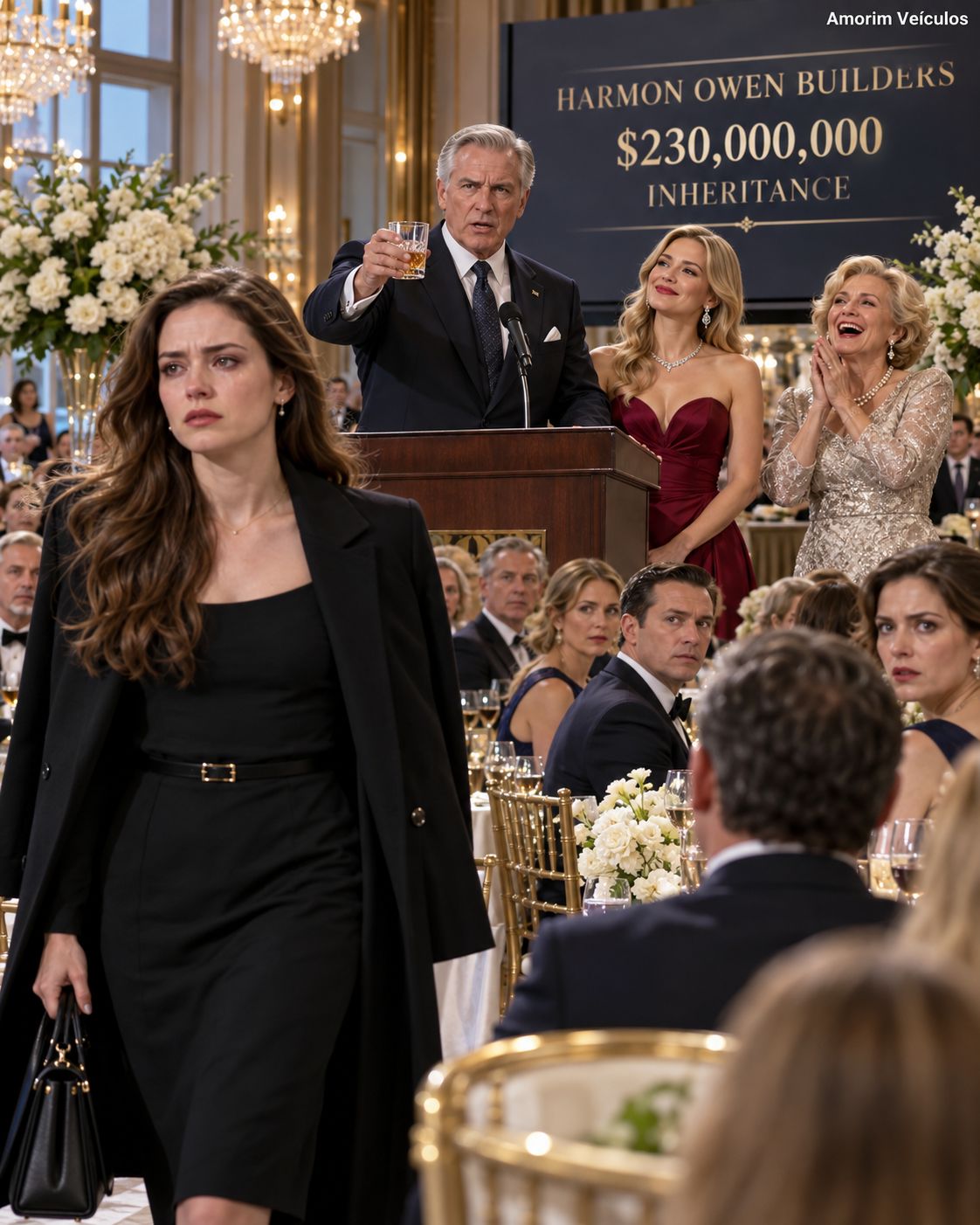
“At the country club, you told eighty people I was lucky to use your name,” I said softly, the words carrying effortlessly through the room. “You were right about one thing, Raymond. It was never mine to begin with.”
I turned and walked toward the glass double doors.
“Chloe!”
The voice cracked through the corridor behind me. It was Briana.
She rushed out into the elevator lobby, her ivory jacket disheveled, tears cutting black channels of mascara down her cheeks. “Chloe, please… what am I supposed to do? Dad’s leaving… the company… I was supposed to be the CEO…”
I stopped at the brass elevator doors, the call button already glowing amber. I looked at my sister—the woman who had priced my existence at two million dollars over an oat-milk latte forty-eight hours earlier.
“You have a business degree, Briana,” I told her, my voice shorn of cruelty, offering only the cold clarity of a mirror. “And for thirty-one years, you’ve had the luxury of being certain you were loved. Now you get to find out who you are when nobody is holding the thumb on the scale for you.”
The elevator doors slid open. I stepped inside, turned, and watched the brass doors slide shut, severing the connection forever.
Chapter Nine: The Chair by the Water
The acquisition of Harmon Owen Builders closed on the twenty-eighth of May.
Every covenant was enforced to the letter of the law. Gus Weaver and sixty-four field carpenters, drywallers, and project managers signed three-year protected employment contracts. The trucks rolling across the highways of Ohio still bear the dark-green lettering: HARMON OWEN BUILDERS.
Raymond received his monetary distribution. He remains extraordinarily wealthy, confined to his sprawling brick mansion in Upper Arlington and the manicured fairways of the country club. But the thing he valued far more than capital—the immaculate myth of the self-made, loyal patriarch—died in that corporate boardroom by his own hand. Subcontractors nod curtly and look away when he enters the lumberyard; former colleagues find sudden excuses to vacate the clubhouse lounge when he approaches the bar. In a small town, social bankruptcy is far more permanent than insolvency.