
Chapter 4
They treat my income as communal property and my opinions as unwanted messages.
Then came Ava.
My daughter.
My whole heart.
She’s like me, only braver.
She has unusual interests and never apologizes for them.
Her hands are constantly dusted with flour or sticky from some sauce she’s inventing.
Once, she cried because her hollandaise lacked emotional depth.
I still don’t understand that.
But I adore her for it.
Ava doesn’t simply enjoy cooking.
She wants to become a chef.
She studies restaurant reviews the way other teenagers scroll TikTok.
She discusses mise en place like philosophy.
She’s already researching culinary schools and deciding between pastry and savory cooking.
At seventeen, she’s facing the same family criticism I endured.
They call her interest cute.
Predict she’ll outgrow it.
Claim she’s too sensitive for professional kitchens.
Suggest something academic, like her aunt pursued.
Apparently, crippling debt without dependable income is preferable.
I’ve watched Ava hold back responses countless times.
After one family brunch, she disappeared into the bathroom for twenty minutes.
When I found her wiping her eyes, she blamed an onion she’d chopped six hours earlier.
So when she approached me and said, “Mom, I want to cook for Grandma’s birthday this year. The whole thing, just me.”
I was surprised and proud.
She understood the effort involved.
She knew how cruel our relatives could be.
Still, she wanted to try.
I asked three times, “Are you sure?”
Each time, her nod became firmer.
“I want to show them what I can do.”
And she did.
She designed and printed menus, organized the kitchen meticulously, and considered every allergy, dietary restriction, and preference.
Dad avoided mushrooms.
Mom hated cilantro.
Ava accommodated both.
She purchased ingredients with her own money and tested every dish.
She borrowed a friend’s cake turntable to practice precise frosting.
Each evening, she’d show me her checklist and ask, “Do you think they’ll like it?”
I always answered yes.
I hated that she felt she needed reassurance.
On the party day, she rose at five.
I heard pans clattering, classical music playing softly, and her shoes tapping across the tiles as she moved between the oven and counter.
By four that afternoon, she looked exhausted but radiant.
Like someone doing exactly what she was born to do.
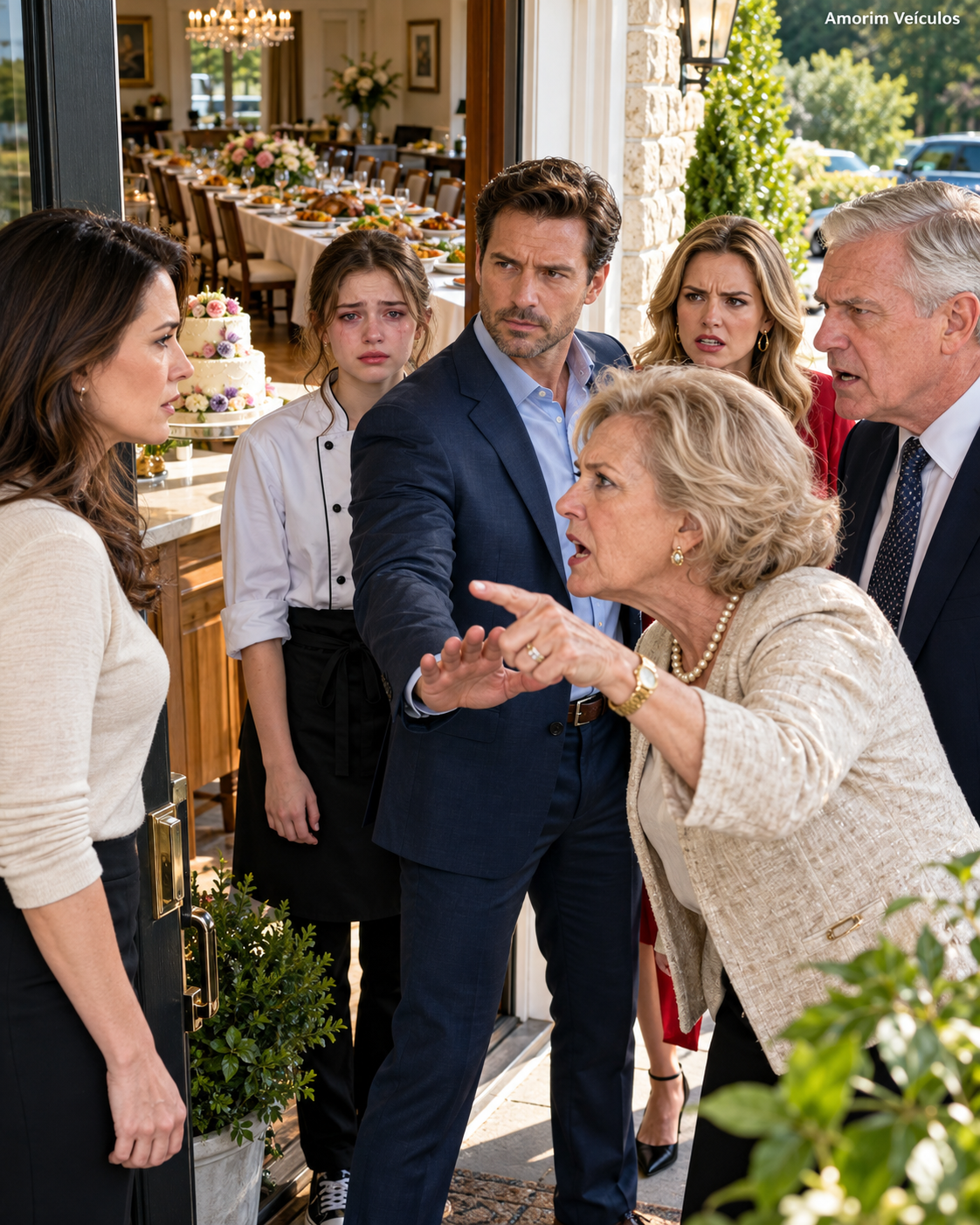
And then our relatives didn’t come.
They chose a restaurant.
Every one of them.
My parents.
My sister.
My niece and nephew.