
Chapter 3
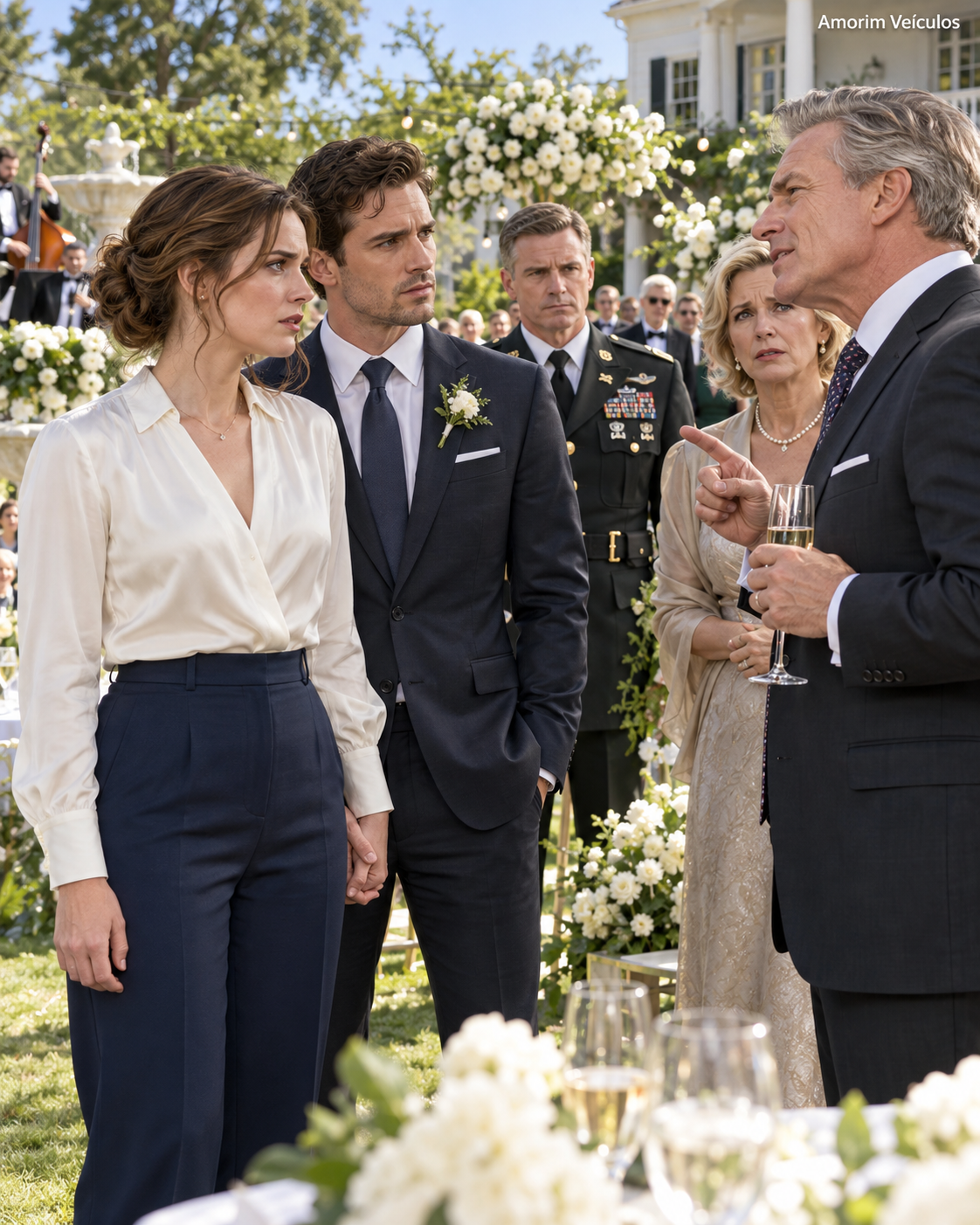
Dad smiled. “Don’t look so serious, Allison. I’m protecting you.”
“No,” I said quietly. “You’re controlling me.”
His face hardened.
Before he could respond, my mother appeared beside him. Carol Reed had perfected the art of arriving exactly when my father needed someone to soften the damage he had created. “It’s an engagement party,” she whispered. “Please don’t start something.”
She was looking at me when she said it.
Not him.
That hurt more.
I excused myself before my expression betrayed me and walked toward the stone terrace behind the mansion. Daniel followed, but I asked him for a minute alone. He hesitated, then kissed my temple and returned to our guests.
.
Nathan joined me a moment later.
“What exactly does your father know about your work?” he asked.
“Almost nothing.”
“Does he know where you travel?”
“No.”
“Names?”
“No.”
“Access details?”
“Absolutely not.”
Nathan looked through the open doors toward Dad. “Good. Keep it that way. Tomorrow morning, document everything he said tonight.”
I folded my arms. “You think he’s serious?”
“I think people who believe rules no longer apply to them eventually test that belief.”
That night, Daniel fell asleep beside me while I stared at the ceiling.
At two in the morning, I finally got dressed and drove across town to a storage unit I’d been paying for since my grandmother died. Inside were the remnants of a childhood I had never quite figured out how to throw away: trophies, school photographs, old notebooks, swimming medals, and a cedar chest my grandfather had built by hand. Under fluorescent light, I opened it and found the same little velvet bag I’d carried through three moves.
Twelve medals spilled into my palm.
I remembered winning the state championship at seventeen and running toward Dad afterward, dripping pool water and grinning so hard my face hurt. He had glanced at the medal and said, “That’s nice. When are you going to do something that matters?”
A year later, when I received an appointment to a military academy, he had walked away from the dinner table without congratulating me. My mother later brought me a cheap pen he’d left on his desk.
“He said you’ll probably need this,” she told me.
“For what?”
She had looked embarrassed.
“Paperwork.”
Even then, Dad had already decided what kind of officer I would become: harmless, administrative, forgettable.
My grandfather had been different. Henry Reed had also worn a badge, but he never treated it like a crown. He taught me to read maps, repair broken things, listen before speaking, and never confuse a title with character. When Dad told me women complicated leadership, Grandpa told me intelligence didn’t have a gender. When Dad dismissed my ambitions, Grandpa quietly asked what I needed to reach them.